




A Case of Treatment for Basilar Artery Occlusion
Date:2026-01-08Category:Case ReportsViews:331
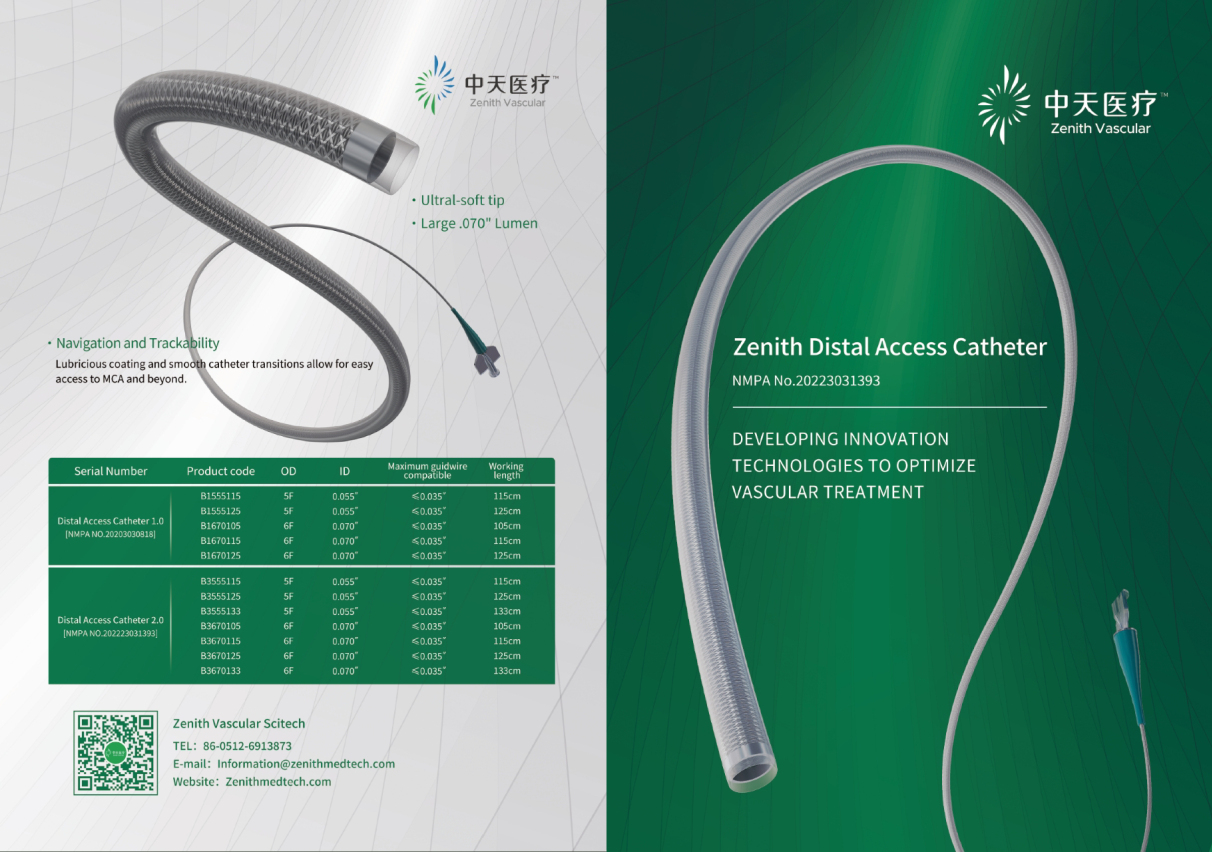
Zenith devices used in this case:
Patient Information
- Female, 50 years old
- Sudden onset of dizziness and dysarthria, duration: 6 hours
- NIHSS scores: 13
Preoperative Angiography
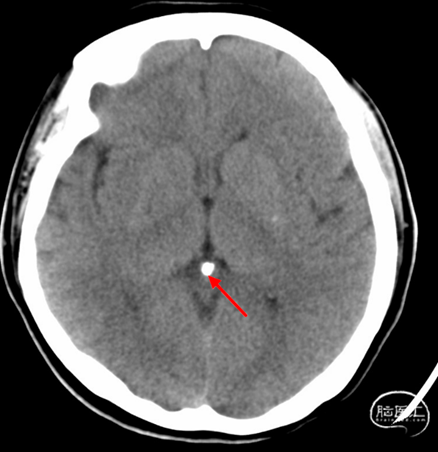
CT: Hyperdense basilar artery sign
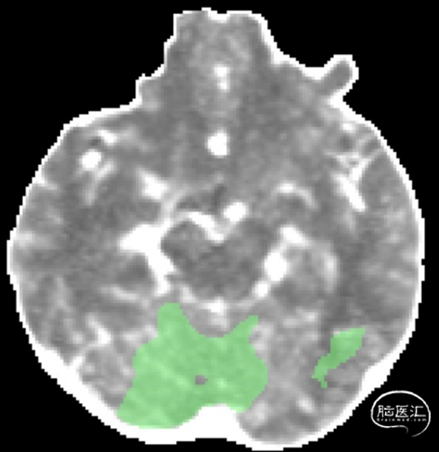
CTP: Large penumbra in the cerebellar hemisphere
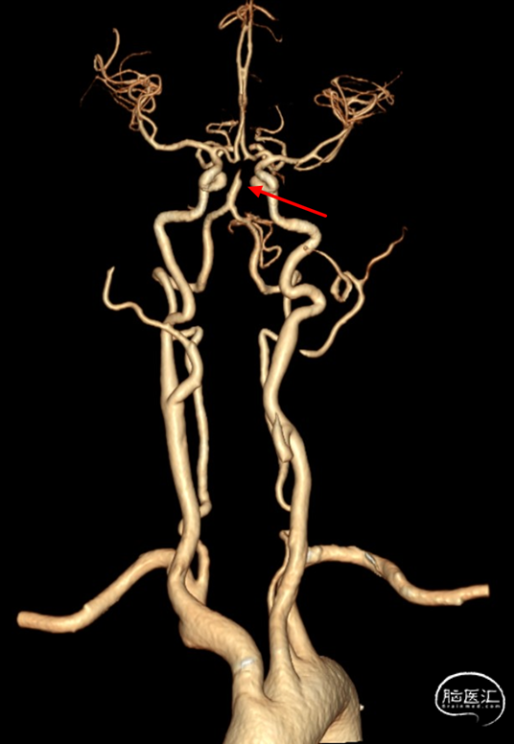
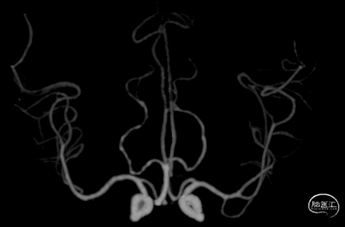
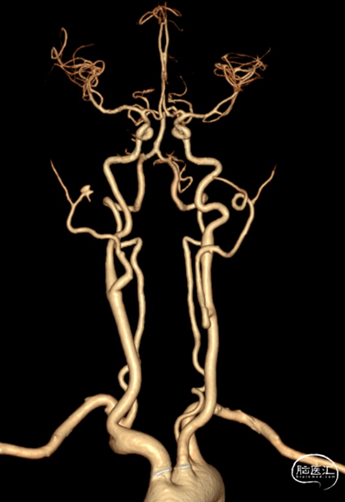
CTA: Basilar artery occlusion
Devices
- 6F 90cm Long Sheath
- 6F 125cm Zenith Distal Access Catheter
- 3mm*15mm Stent Retriever
- Microcatheter
- Micro Guidewire
Procedure
Transradial access established with a 6F long sheath and subsequent exchange. Zenith Distal Access Catheter successfully positioned, providing stable support for device delivery. Stent retriever thrombectomy performed, reopening the basilar artery.
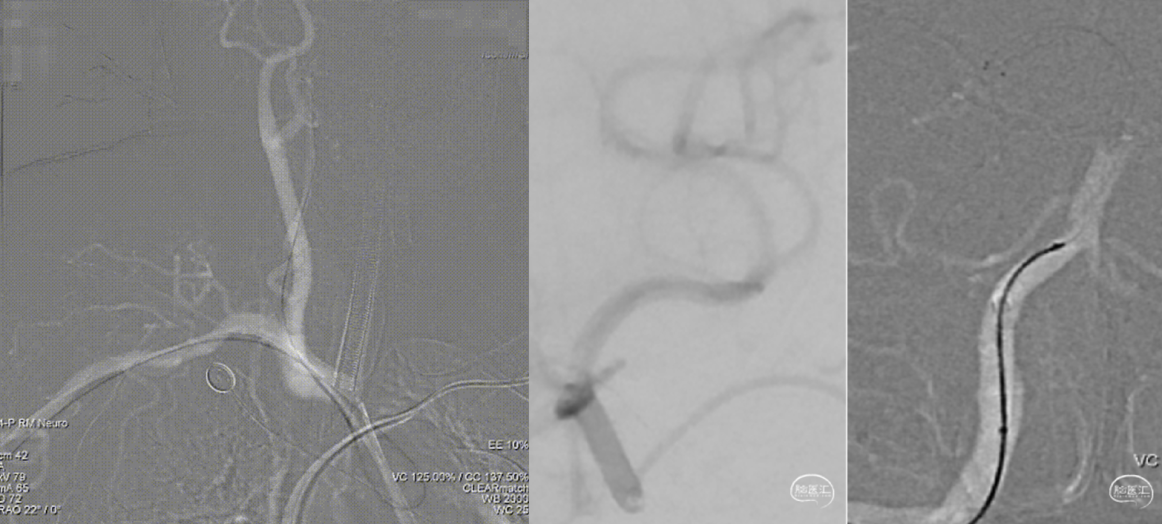
Thrombus migration occurred to the distal P2 segment. With stable support provided by the Zenith Distal Access Catheter, a 3 mm × 15 mm small stent retriever was selected for distal thrombectomy.
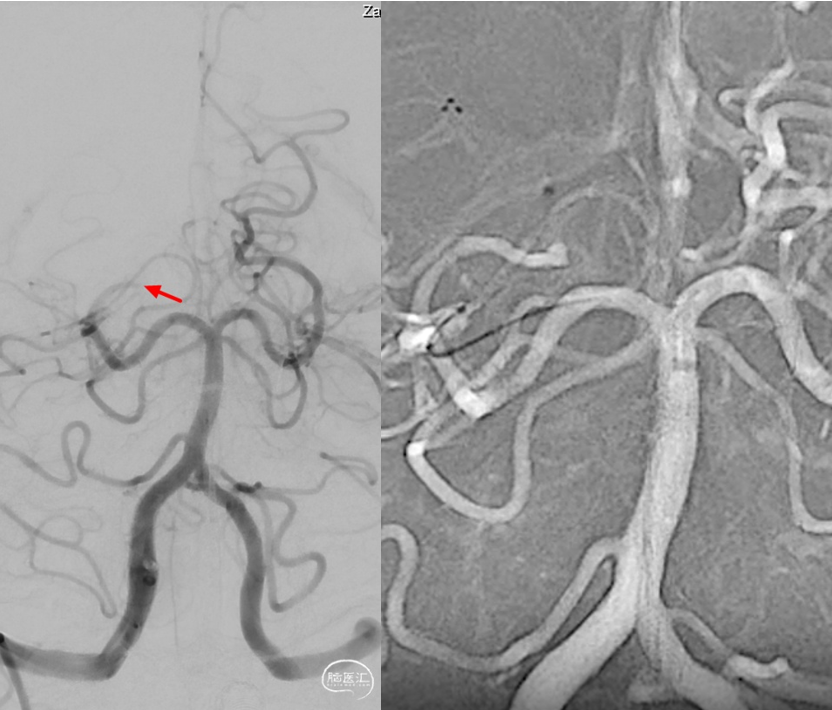
Postoperative Angiography
Successful reperfusion (TICI grade 3)
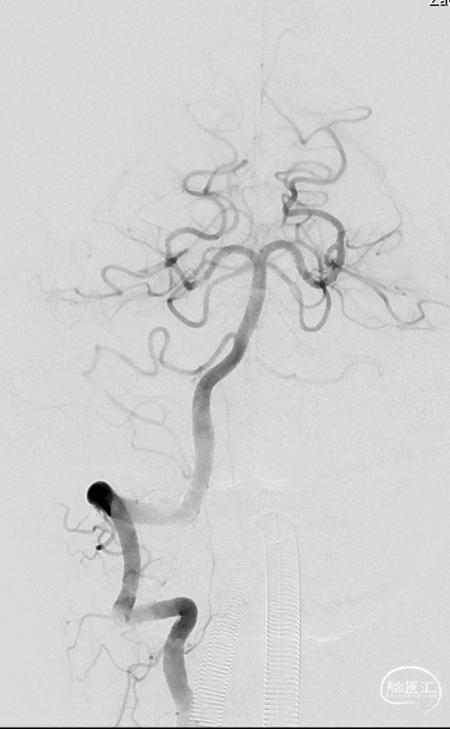
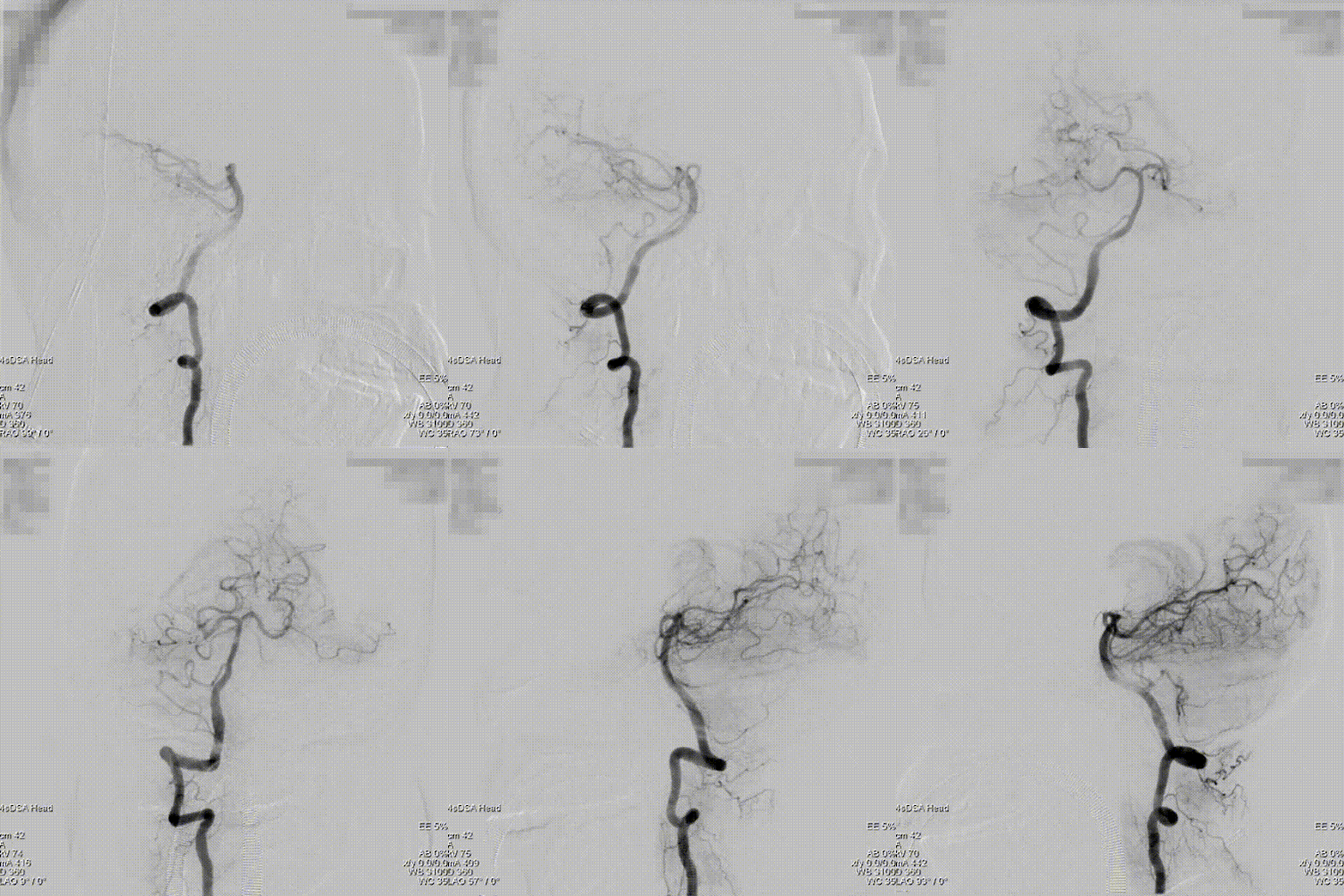
3 months postoperative MRS score: 0
Surgeon's Notes
- The procedure was performed under general anesthesia via radial artery puncture. General anesthesia may reduce the risks of radial artery occlusion and spasm, thereby minimizing complications.
- Thrombus migration occurred intraoperatively. Whether the use of a BGC or direct aspiration could reduce the risk of thrombus migration requires further investigation.
- In this case, the Zenith Distal Access Catheter provided stable support, enabling the use of a 3 mm × 15 mm small stent retriever for distal thrombectomy. This approach minimized potential complications while maximizing patient benefit.
Surgeon Information
Hang Yin, Zaozhuang Municipal Hospital